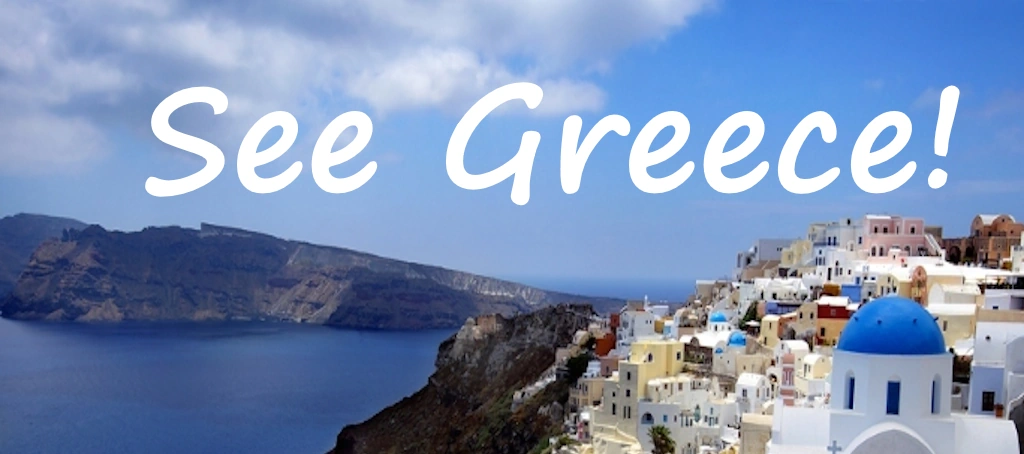
See Greece tells the story of Alexander the Great, the son of Philip II of Macedonia, who gave Greece the greatest empire it has ever known.
Statue of Alexander the Great on the Thessaloniki Waterfront at Sunset
Greece is rightly proud of the King of Macedonia, Alexander the Great (356-323 BC), as the Greek Empire was at its mightiest during his reign. By the time of his death his armies had conquered lands throughout the Middle and Near East, as far as the Punjab, and down into Egypt, where he founded the city of Alexandria and where he is somewhere thought to be buried – although he actually died in Babylon.
Philip of Macedonia
Statue of Alexander the Great in Thessaloniki
Alexander’s father, Philip II of Macedonia, was already extending his Empire and gave his son, who was born in Alexander the Great, the very best start in life. He had the finest teachers, including Aristotle, and he was commanding part of the Macedonian Army by the age of eighteen. Two years later his father Philip was assassinated as he prepared to invade Persia, and it cannot be certain that Alexander did not actually have a hand in this.
Alexander immediately took command of the Macedonian troops, and in 334 BC took an army of some 35,000 of them across the Hellespont (now the Dardanelles) and although outnumbered they defeated the Persian Army allegedly with the loss of only 110 of their own men. He had already swiftly put down rebellions in some of the Greek city-states, notably Thebes, which he burned to the ground.
From Persia he turned his attention to the Middle East, conquering Damascus, then Palestine, and finally marching into Egypt. Here he was welcomed for liberating the country from the Persians, and in 331 BC he founded Alexandria, having by this time complete control of the Eastern Mediterranean. Not satisfied with his, he headed for India, where he won more victories but at the cost of great numbers of men.
The Death of Alexander the Great
Alexander the Great was back in Babylon in 323 BC, turning his attentions to conquering more of Arabia and further west into North Africa, when he was taken ill with a fever after a banquet and died eleven days later. His body was taken in a gold casket to Alexandria, but his burial place has never been firmly established. Some recent archaeological digs claim to have found his tomb in the Egyptian desert, but without convincing proof.
Alexander the Great’s Legacy
There is no doubt that Alexander was indeed one of the greatest leaders in history, noted for his tactical ability, his charisma in leading his men and inspiring bravery in his troops, and for his own bravery too. Like all such leaders, though, he had his ruthless side and didn’t hesitate to eliminate potential rivals just as swiftly and as brutally as he wiped out his enemies.
It is also said that he had a vision not merely to conquer the world but to unite both East and West in one large harmonious Empire. Certainly the cities he founded were all civilised and cultured places, and he fervently spread Greek culture and language while taking an interest in the cultures of the lands he conquered. He might well even be regarded as the most important Greek who ever lived.
Plan your Thessaloniki trip with our guide to Thessaloniki Airport car rental with contact info for Hertz, Avis, Sixt & other car hire companies.
Navigating Your Journey: The Ultimate Guide to Thessaloniki Airport Car Rental
Thessaloniki is a city that begs to be explored. From the iconic White Tower and the bustling waterfront to the historic Upper Town (Ano Poli), there is no shortage of sights within the city limits. However, the true magic of this region often lies just beyond the urban sprawl.
Whether you’re planning a sun-soaked pilgrimage to the crystal-clear beaches of Halkidiki, a trek through the majestic landscapes of Mount Olympus, or a visit to the royal tombs of Vergina, a car is your ticket to freedom.
While you can rent a vehicle in the city center, picking up your car directly at Thessaloniki Airport (SKG) is almost always the better choice. First, it eliminates the stress of navigating public transport or expensive taxis with heavy luggage immediately after a flight. Second, the airport serves as a gateway that bypasses the dense city traffic, allowing you to hit the open road immediately. The airport is about a 45-minute drive south-east of the city centre, about halfway to Halkidiki.
Perhaps most importantly, the airport branches typically house the largest fleets, giving you a wider selection of vehicles—from compact economy cars to rugged SUVs—than smaller downtown offices.
Car Rental Companies at Thessaloniki Airport Terminal
The following companies maintain dedicated desks inside the arrivals hall on the ground level. Having an “on-site” presence means you can walk straight from baggage claim to the rental counter without needing a shuttle bus.
Hertz & Thrifty
Hertz is often cited as the world’s most famous car rental brand and holds the title of the #1 most visited rental website in Greece. In the Greek market, Hertz is operated by Autohellas, the largest car rental and leasing group in the country. With decades of history and a massive fleet of over 50,000 vehicles nationwide, they offer premium service and a vast range of vehicle categories. Thrifty, its sister brand, often provides a more budget-friendly alternative while utilizing the same high-standard fleet.
• Phone: +30 2310 473952
Avis & Budget
Avis is the world’s second-largest vehicle rental group and has been a dominant force in Greece for over 60 years. In 2025, Avis was recognized by the World Travel Awards as Greece’s Leading Car Rental Company. Their airport office is a “dual-brand” counter, meaning you can also access Budget Rent A Car here. Budget is globally renowned for offering great value for money without sacrificing the reliability associated with the larger Avis corporate umbrella.
• Phone: +30 2310 473858
Enterprise, Alamo & National
Enterprise Holdings is the largest car rental company in the world by revenue and fleet size. At Thessaloniki Airport, their desk serves three distinct brands: Enterprise (focused on premium service), Alamo (popular with leisure travelers), and National (targeted at corporate clients). Because of their global scale, they often feature some of the most modern vehicles on the market and offer highly streamlined check-in processes.
• Phone: +30 2314 400387 / +30 2314 400388
Sixt
Sixt is Germany’s leading car rental provider and has expanded rapidly to become the fifth-largest player globally. Known for its “orange” branding and a focus on premium and luxury vehicles (often featuring BMWs and Audis), Sixt at SKG is highly rated for its professional staff and high-tech fleet. They are a great choice if you are looking for a car that offers a bit more comfort and performance for longer drives.
• Phone: +30 2310 476508
Avance
If you prefer to support a homegrown powerhouse, Avance is the largest 100% Greek-owned car rental company. Having been established for over 30 years, they have grown from a small local agency into a national leader with presence at every major Greek airport. They are often praised for their competitive pricing and “local expertise,” making them a favorite for travelers who want a reliable, local touch.
• Phone: +30 2310 489296
Pro Tips for a Smooth Car Rental Experience
To ensure your trip to Northern Greece starts on the right foot, keep these essential pieces of advice in mind:
1. Book in Advance
It is almost always better to book your Thessaloniki Airport car rental well before you fly. This is not just about saving time at the counter; it is about guaranteeing a vehicle. During peak tourist seasons—like July and August—demand is so high that many companies may run out of cars entirely. Furthermore, “walk-in” rentals are significantly more expensive than rates secured online or over the phone in advance. 2. Watch the Clock
While the airport terminal is open 24/7, the rental desks are not. Most offices operate from early morning until late evening (typically 07:30 to 23:00). If your flight arrives in the middle of the night or departs at dawn, you must check the office hours before booking. Many companies offer “after-hours” pick-up or drop-off, but these almost always come with an extra surcharge that can catch you off guard if you haven’t budgeted for it. 3. Read the Fine Print
Before confirming your booking, check the specific requirements for driver’s licenses and insurance. While major international brands are usually flexible, some local agencies might require an International Driving Permit for non-EU license holders. Always verify the fuel policy—most companies at SKG use “Full-to-Full,” meaning you pick up a full tank and must return it full to avoid high refueling fees.
Thessaloniki and the surrounding region of Macedonia offer some of the most breathtaking scenery in the Mediterranean. By securing your car at the airport, you’re not just renting a vehicle; you’re buying the freedom to discover Greece at your own pace.
See Greece’s guide to the best restaurants in Thessaloniki, focusing on its fine-dining and gourmet options, including award-winning menus and chefs.
Duck Private Cheffing Restaurant Thessaloniki
Thessaloniki in Macedonia has long been the undisputed food capital of Greece, a city where the scent of roasting spices and fresh seafood drifts through Byzantine alleys. However, its reputation has reached new heights recently. As the only Greek city designated as a UNESCO City of Gastronomy, Thessaloniki has finally caught the eye of the world’s most prestigious culinary authority. It has been officially confirmed that, along with the island of Santorini, the city will be included for the first time in the 2026 Michelin Guide, an honour previously reserved solely for Athens.
This inclusion marks a turning point for the city’s dining scene, shifting the spotlight onto a sophisticated generation of chefs who are refining Macedonian traditions with avant-garde techniques. For those looking to stay ahead of the inspectors, here are ten gourmet and fine-dining establishments that represent the pinnacle of Thessaloniki’s culinary evolution.
Best Restaurants in Thessaloniki
1. Salonika Restaurant
Salonika Restaurant Thessaloniki Sample Dish
Located within the iconic Makedonia Palace Hotel, Salonika is a powerhouse of modern Greek gastronomy. Under the leadership of the renowned Chef Sotiris Evaggelou, the restaurant has consistently secured the prestigious Toque d’Or (Chrysi Skoufi) award.
The menu is a masterclass in New Greek cuisine, focusing on exceptional raw materials from the Macedonian countryside. Diners praise the slow-cooked lamb and the exquisite seafood giouvetsi. With its panoramic views of the Thermaic Gulf and an open kitchen that showcases military-precision plating, it is a primary contender for a Michelin star in 2026.
Address: 2 Megalou Alexandrou Avenue, Thessaloniki 546 40
Phone: +30 2310 897176
Website: makedoniapalace.com
2. Olympos Naoussa
Olympos Naoussa Restaurant Thessaloniki
Once a historic landmark that sat dormant for decades, Olympos Naoussa has been reborn as the city’s most elegant On Residence dining destination. It recently earned a FNL Best Restaurant Award for its seamless blend of urban classics and contemporary flair. The kitchen revives Politiki (Constantinopolitan) flavours with a gourmet edge.
Signature dishes include the incredibly tender beef cheeks with eggplant purée and the Moussaka made with Black Angus rib-eye. The atmosphere, defined by high ceilings and Belle Époque aesthetics, provides a dining experience that is as much about heritage as it is about haute cuisine.
Address: 5 Leoforos Nikis, Thessaloniki 546 24
Phone: +30 2314 433323
Website: olymposnaoussa.gr
3. Clochard
Clochard Restaurant Thessaloniki
A fixture of the city’s elite dining scene since 1978, Clochard has successfully transitioned from a classic bistro to a modern fine-dining institution. It is a perennial winner of the Toque d’Or and FNL awards, celebrated for its impeccable service and consistency.
The menu balances French techniques with Greek soul, featuring standout dishes like the sea bass with fennel cream and the pastitsio featuring slow-cooked beef and Metsovone cheese foam. It remains the preferred choice for those seeking a refined, quiet atmosphere where the wine list is as thoughtfully curated as the menu.
Address: 24 Komninon Street, Thessaloniki 546 24
Phone: +30 2310 239805
Website: clochard.gr
4. Moldee
Moldee Restaurant Thessaloniki Sample Dish
Moldee represents the fine-casual evolution of Thessaloniki, where high-concept architecture meets technical brilliance. Located in the Teight Hotel and founded by chefs Vasilis Mouratidis and Sofoklis Maragkoudakis—both highly decorated on the Greek culinary circuit—Moldee has quickly garnered acclaim for its minimalist approach.
The restaurant focuses on clean, intense flavours, with the Catch of the Day often served with unexpected textures of cauliflower or citrus gels. It is a favourite among the city’s younger gourmands and has already secured accolades for its innovative Mediterranean vision, making it a one-to-watch for Michelin’s Bib Gourmand or Star categories.
Address: 38 Mitropoleos Street, Thessaloniki 546 23
Phone: +30 2310 230101
Website: moldeebar.gr
5. Grada Nuevo
Grada Nuevo Restaurant in Thessaloniki
For seafood enthusiasts, Grada Nuevo is the ultimate destination. This restaurant has earned multiple Greek Cuisine Awards for its dedication to the Art of Haute Gastronomy. The focus here is on the purity of the Aegean’s bounty, often sourced directly from the Toronean Gulf.
Guests rave about the lobster pasta with pistachios and the sea urchin linguine. The service is choreographed with the grace of a ballet, and every pairing from their extensive wine cellar enhances the delicate flavours of the sea.
Address: 14 Kalapothaki Street, Thessaloniki 546 24
Phone: +30 2310 271074
Website: gradanuevo.gr
6. Duck Private Cheffing
Duck Private Cheffing Restaurant Thessaloniki
Tucked away in the city’s industrial district, Duck Private Cheffing offers an exclusive, intimate dining experience that feels like a well-kept secret. Chef Ioanna Theodorakaki has created a temple to seasonal ingredients, winning the hearts of critics and the FNL Best Restaurant accolade.
The menu changes daily based on the morning’s market finds. Signature highlights often include the wood-fired goat and the wild mushroom ragout. The open-plan kitchen and rustic-chic decor provide a chef’s table vibe that is perfectly aligned with modern Michelin trends.
Address: 3 Chalkis Street, Pylaia, Thessaloniki 555 35
Phone: +30 2310 473330
Website: facebook.com
7. Mourga
Mourga Restaurant Thessaloniki
Mourga is perhaps the most avant-garde entry on this list. Led by the enigmatic Chef Giannis Loukakis, the restaurant avoids traditional luxury for a raw, ingredient-focused philosophy. It has been a consistent recipient of Greek Cuisine Awards and is frequently cited by international food critics as the city’s most exciting kitchen.
There is no fixed menu; instead, expect daring combinations like crayfish with goat-milk butter or cuttlefish with fava beans. Its inclusion in the 2026 guide seems almost certain, given its cult status and uncompromising commitment to culinary honesty.
Address: 12 Christopoulou Street, Thessaloniki 546 35
Phone: +30 2310 268826
Website: facebook.com
8. Xaroupi
Xaroupi Restaurant Thessaloniki
Xaroupi (The Carob) has redefined what regional Greek cuisine can look like when elevated to a fine-dining standard. Led by the visionary Chef Manolis Papoutsakis, who has won multiple Greek Cuisine Awards and FNL stars, this restaurant brings the rugged, honest flavours of Crete to a sophisticated urban setting.
The kitchen uses exclusively Cretan products to create complex, modern dishes. Signature highlights include the “Antikristo” lamb cooked with modern techniques and the handmade “Skioufichta” pasta with honey-glazed pork and anthracite galomyzithra cheese. The restaurant is widely praised for its extensive Cretan wine list and its ability to turn traditional peasant food into a gourmet experience worthy of international recognition.
Address: 4 Doxis Street, Thessaloniki 546 25
Phone: +30 2310 526262
Website: xaroupi.gr
9. Botargo
Botargo Restaurant Thessaloniki
Located within the MonAsty Hotel, Botargo is a tribute to the city’s Byzantine heritage, reimagined for the 21st century. Under the guidance of acclaimed chef George Stylianoudakis, the restaurant explores Urban Greek cuisine with a heavy emphasis on culinary traditions and local herbs.
The namesake botargo (cured grey mullet roe) features prominently in several starter dishes, while the lamb fricassee with handmade gnocchi is a standout main course. Its commitment to storytelling through food makes it a unique candidate for the Michelin Guide.
Address: 45 Vasileos Irakleiou Street, Thessaloniki 546 24
Phone: +30 2310 274500
Website: monastyhotel.com
10. Trizoni Exclusive
Trizoni Exclusive Restaurant Thessaloniki
Starting as a legendary seafood taverna in Halkidiki, Trizoni Exclusive brought its high-end Fish Ethics philosophy to the city centre to great acclaim. It quickly earned Toque d’Or recognition for its unparalleled sourcing of rare fish and shellfish.
The restaurant operates more like a seafood gallery than a traditional eatery, where the Crudo bar offers some of the finest raw preparations in Greece. The grilled red porgy (sea bream) and the signature fish soup are essential orders. It’s the gold standard for high-end Mediterranean seafood dining in the city.
Address: 1 Doiranis Street, Thessaloniki 546 39
Phone: +30 2310 542533
Website: theafoodresort.com
The archaeological site of Vergina in Macedonia is famous for the royal tombs which were the burial place of King Philip II, father of Alexander the Great.
Royal Tombs at Vergina
The Royal Tombs at Vergina: Echoes of Ancient Macedonia
The Royal Tombs at Vergina, officially known as the Archaeological Site of Aigai (the ancient capital of Macedon), stand as one of the most significant archaeological discoveries of the 20th century. Located in Macedonia and approximately 75 kilometers (47 miles) west of Thessaloniki, this UNESCO World Heritage site offers a profound glimpse into the wealth, artistry, and funerary customs of the early Macedonian kingdom, most famously linked to the lineage of Alexander the Great. The discovery, particularly the unearthing of a cluster of undisturbed royal tombs beneath the “Great Tumulus” in 1977 by archaeologist Manolis Andronikos, caused a global sensation comparable to the discovery of Tutankhamun’s tomb.
The Historical Context: Aigai, the First Capital
Before the discovery of the tombs, the location was known as the village of Vergina. However, the excavations convincingly identified the site as Aigai, the original and sacred capital of the Macedonian kings of the Argead dynasty, which included Philip II and his son, Alexander the Great. Although the capital was later moved to Pella, Aigai remained the ancestral heart and the royal burial ground of the dynasty. This is where Philip II was assassinated in 336 BCE while attending the wedding of his daughter, making it the fitting location for his lavish burial.
Statue of Alexander the Great on the Thessaloniki Waterfront at Sunset
The Great Tumulus and the Royal Tombs at Vergina
The most crucial part of the site is the Great Tumulus, a massive, man-made earthen mound—originally about 12 meters high and 100 meters wide—that covered and protected a cluster of four Macedonian tombs. Unlike nearly all other tombs in the region, two of these royal tombs remained unlooted through the centuries, providing an unprecedented collection of ancient Greek art and artifacts. The tombs themselves are monumental, subterranean structures, built in the sophisticated architectural style of the “Macedonian tomb,” featuring impressive barrel-vaulted chambers and elaborate façades.
The Burials of the Royal Cluster
While scholarly debate has persisted over the exact occupants of each tomb, recent osteological studies combined with historical evidence have led to increasingly accepted identifications: Tomb I (The Tomb of Persephone): This tomb was unfortunately looted in antiquity, though not completely stripped. It is known for a stunning wall painting depicting the Abduction of Persephone by Hades. Current research suggests it likely contains the remains of King Philip II of Macedon, father of Alexander the Great, along with his young wife Cleopatra Eurydice and their newborn child. Skeletal evidence of a healed knee injury on the male remains aligns with historical accounts of Philip’s lameness. Tomb II (The Unlooted Tomb): This grand, barrel-vaulted tomb was found completely intact. While initially attributed to Philip II, a significant body of evidence, including the skeletal analysis, now points to its occupants being Philip III Arrhidaeus (Alexander the Great’s half-brother) and his warrior wife, Adea Eurydice. Its sheer wealth suggests a burial of immense status. It is famous for its painted Doric façade featuring a masterful hunting scene that captures the dynamic art of the late Classical period. Tomb III: Also found undisturbed, this smaller but richly furnished chamber is widely accepted to be the burial of Alexander IV, the teenage son of Alexander the Great and Roxana, who was assassinated around 310 BCE.
Royal Tombs at Vergina
What You Will See on a Visit to Vergina
A visit to Vergina is a unique and deeply moving experience, as the tombs and their treasures are presented in situ, within an innovative underground museum that serves as an environmental protection shell for the monuments. The museum essentially reconstructs the original Great Tumulus, allowing the visitor to walk into the heart of the ancient burial mound.
1. The Museum of the Royal Tombs of Aigai
The core of the experience is the subterranean museum, which is intentionally dimly lit to protect the sensitive artifacts and to enhance the sense of solemnity and discovery. You will walk a circuit around the original tombs, whose magnificent façades emerge from the darkness. The Tomb Façades: You will see the actual entrance façades of the monumental tombs, particularly the well-preserved Doric façade of Tomb II, with its vibrant, large-scale fresco of a hunting scene—one of the few surviving examples of Greek wall painting. The Royal Treasures: The adjacent exhibition rooms display the stunning wealth of grave goods recovered from the undisturbed tombs, particularly Tombs II and III. Highlights include:
The Golden Larnakes (Caskets): The most iconic finds are the two golden caskets used to hold the cremated remains. One, bearing the emblem of the sixteen-rayed “Vergina Sun” or Star of Macedon, contained the male remains, and the other, a smaller one, contained the female remains, both wrapped in exquisite purple and gold-woven fabric. The Gold Wreaths: These are among the most beautiful artifacts, meticulously crafted gold wreaths, including a wreath of oak leaves and acorns found with the male remains, and a wreath of myrtle leaves found with the female remains. Royal Armor and Weapons: The exhibit showcases ceremonial armor, including gilded greaves (one custom-fitted for a shorter, possibly injured leg), a large shield with a gold-and-ivory veneer, iron helmets, and swords. Ivory Miniatures: Delicately carved ivory miniature heads, believed to be portraits of the royal family, including figures possibly representing Philip II and Alexander the Great.
Silver and Bronze Vessels: A vast collection of elaborate silver tableware, bronze vessels, and funerary gifts used in the burial rites and feasting.
2. The Rest of the Archaeological Site (The Polycentric Museum of Aigai)
Beyond the Great Tumulus, your ticket grants access to the wider archaeological park, which is part of the integrated Polycentric Museum of Aigai.
The Monumental Palace of Philip II: Once the largest and most impressive building of Classical Greece, the palace is undergoing extensive restoration. Visitors can explore the ruins, including the remains of its lavishly decorated porticoes and halls.
The Theatre: Located near the palace, this is the spot where Philip II was assassinated.
The Royal Cluster of the Temenid Dynasty and other Necropoleis: The site contains over 500 tumuli and earlier burial clusters, offering a comprehensive view of Macedonian burial practices from the Iron Age to the Hellenistic period.
The archaeological site of Aigai is a powerful testimony to the birth of the Hellenistic world, providing the only truly unplundered Macedonian royal tombs ever found. It connects the visitor directly to the world of Philip II and the dynasty that produced Alexander the Great.
The Prespa Lakes region in Macedonia is one of the lesser-known but most beautiful parts of Greece with abundant wildlife and numerous ancient churches to see.
Prespa Lakes
In the remote northwest corner of Macedonia, where the Greek border meets the borders of Albania and the Republic of Macedonia, stand the Prespa Lakes. In fact the three borders meet in the middle of the larger of the two lakes, the Great Prespa or Megáli Préspa, while the Mikrí Préspa or Little Prespa Lake is divided between Greece and Albania.
As recently as the 1970s no visitors were allowed near this area, as the border with Albania was a very sensitive political area. To visit it required advance permission and you had to be accompanied by a soldier at all times. Because of this, the region is much less well-known than other parts of Greece, although it is a unique, idyllic and breathtakingly beautiful part of the country.
Prespa Lakes: Wildlife
Human visitors may have been restricted some years ago, but that has never applied to the wildlife, for the Prespa National Park is a vital European breeding ground for many species. Visitors must be sensitive to this at all times, and an educational visit to the Information Centre in the tiny village of Ágios Germanós is the best way to start any trip here. It gives a great deal of information about the area in several languages, and provides leaflets and walking maps, as well as selling local produce and craft items.
Dalmatian Pelicans and Other Wildlife
Dalmatian Pelican at The Prespa Lakes
Among the wildlife dependent on the habitat of the lakes is the Dalmatian Pelican. It’s estimated that there are about 1,400 breeding pairs at the Little Prespa Lake, making it the largest single breeding colony in the world for these birds, of which only 10,000-20,000 are thought to survive from a population which was once in the millions.
Sometimes the birds will fly further south to the island of Corfu, if winter in the mountains here is particularly hard and long. You are also sure to see many other species of birds that like to live around water, such as herons, cormorants, egrets, geese, grebes and the only population in Greece of the rare goosander. In the skies you will also see a variety of raptors, including the golden eagle, short-toed eagle, booted eagle, and both lanner and peregrine falcons. Amphibians that live here include several species of frog, toads, newts and the fire salamander, while there are also 20 species of reptile – including snakes, so take care when walking – and over 1300 different plant species. It is a rich landscape indeed.
Churches
Church at The Prespa Lakes
From a cultural point of view there is another aspect in which the area is rich: churches. In the village of Ágios Germános be sure to see the 11th-century church of the same name, which is adorned with frescoes, some of them original. The church of Ágios Athanasios in the same village is also worth seeing. To see one of the area’s more unusual churches, though, you will need to take a boat ride out onto Mikrí Préspa, which can be arranged at the village of Psarádhes. The ruined Byzantine church of Ágios Akhíllios is on the small islet of the same name, where you will also be shown the ruins of a monastery and may meet some of the few families who still live here eking out a living from fishing and farming.
You can also take a boat trip out onto the larger lake, the Megáli Préspa, where the main attraction is the 15th-century church of Panagía Eleoúsas, which is built into the rock near the lake’s shore. There are other sites otherwise inaccessible, such as in icon of the Virgin Mary painted onto a rock, and in any case the boat trip itself is a wonderful experience, out in the middle of this large and peaceful lake, surrounded by hills, and with those invisible borders stretching across the waters.
Where to Stay at the Prespa Lakes
It is possible to visit the lakes on a day trip from somewhere like Kastoriá, but if you wish to stay overnight you would need to book ahead at busy times of year as accommodation is limited. There are a few guesthouses in Ágios Germanós, which also has the area’s only Post Office, with more accommodation available in the lakeside village of Psarádhes. Wherever you stay, the accommodation will be simple as this is not an area for mass tourism, and hopefully never will be.
Mount Athos boat trips are the only way most people get to see these spectacular monasteries, with most boats leaving from Ouranopolis.
Monastery of St. Panteleimon on Mount Athos in Greece
Only men can set foot on Mount Athos, and even for them it is a lengthy business to acquire a permit. Most people have to be content to enjoy a boat trip along the coast, to see the magnificent monasteries in their clifftop settings, against the backdrop of Mount Athos itself.
Ouranopolis, Gateway to Mount Athos in Greece
Some trips take visitors around the whole peninsula, to see the monasteries on the eastern side as well, but the vast majority of boats leave from Ouranópolis and limit themselves to the more spectacular western side of Athos. Ouranópolis itself is not an especially attractive place at which to be based, and most visitors are staying in Halkidikí or Thessaloníki. You may wish to spend one night in Ouranópolis in order to take one of the earlier boat trips, though the town is only a 2-hour drive from Thessaloniki, making a day trip perfectly feasible.
Mount Athos Boat Trips
St Panteleimon Monastery on Mount Athos in Greece
From a practical point of view, it is illegal for the boats to venture closer than 500m to the shore, so take a pair of binoculars if you have them, and the best zoom you’ve got. You may well ao get some wonderful photos of the dolphins which sometimes swim alongside the boats and leap spectacularly out of the water.
The boat trips take at least four hours, and though they sell some food and drink on board, the choice is limited so take your own picnic lunch as well. The boats provide a commentary in Greek, English and German, but the PA systems on some boats are rather poor, so you might like to get hold of a map to help you identify the main monasteries.
The First Monasteries
The first monasteries you pass are inland: Zográfou, the most northerly, and shortly afterwards Kastamonítou. The former was founded in the 10th century but like many monasteries has been rebuilt in the 18th and 19th centuries, and today is home to a small number of Bulgarian monks. Kastamonítou is 11th century, and is also still inhabited.
Mount Athos in Greece
The first monasteries of which you get good views are down on the coast. Docheiaríou comes into sight first, a cluster of attractive buildings on a hill behind a jetty. This working monastery was founded in the 10th century and in addition to some original frescoes in its churches also claims to have a piece of the True Cross.
Further along the coast is Xenofóntos, founded in the 10th century by St Xenofóntos, and also very much a working monastery – it even has a sawmill! Like many monasteries, though, it has been damaged over the years by fires and is now a mixture of periods and styles.
Ágiou Panteleímonos
Monastery on Mount Athos in Greece
The next coastal monastery is the hugely impressive Ágiou Panteleímonos, dating back to the 12th century, with additions built by Russian monks in the 18th century, and inside you will get glimpses of the onion domes of churches standing above the red-roofed buildings. Further on is the port of Dáfni, where pilgrims come ashore and where a small population exists to service the practical needs of the monks and their visitors. Inland from here is the monastery of Xiropotámou, another one which has suffered fire damage and been rebuilt in various styles.
One of the most impressive sights is Simónos Pétras, on top of a rocky ridge, where it was founded in the 14th century. So too was Grigoríou, also on a clifftop if not quite as spectacular, and then Agiou Dionysiou with its pink and white balconies is perched 80m above the sea. Even higher is Ágiou Pávlou, nestling below Mount Athos itself. At this point most boats turn round and head back for Ouranópolis.
The ancient site of Pella in Macedonia, Greece, is famous for its mosaics and was also the birthplace of both King Philip II and his son, Alexander the Great.
Archaeological Site of Pella in Macedonia
The archaeological site of Pella in Macedonia is a monumental testament to the power, wealth, and cultural sophistication of the ancient Kingdom of Macedon. Located in the modern-day region of Central Macedonia, this expansive site was not merely a city but the very heart of a burgeoning empire, most famously known as the birthplace of Alexander the Great. Its ruins offer a unique window into the Hellenistic world, showcasing advanced urban planning and an artistic tradition that set the stage for one of history’s most transformative eras.
The Rise of a Royal Capital
Pella’s strategic importance began to crystallize at the end of the 5th century BC, when King Archelaus I (or perhaps Amyntas III) made the pivotal decision to relocate the Macedonian capital from the traditional royal center of Aigai (modern Vergina). This move was driven by both political and economic foresight.
Pella, situated on a fertile plain with access to the Thermaic Gulf via the River Ludias, was ideally placed to foster trade and facilitate the expansionist views of the Macedonian rulers. Though the sea access has long since silted up, the city’s original coastal position was key to its commercial success and connection to the broader Greek world.
Under the subsequent reigns of Philip II and his son, Alexander the Great, Pella reached its zenith. Philip II, the brilliant military strategist and diplomat, transformed Macedon into the preeminent power in ancient Greece, and Pella became the undisputed political and cultural focus of his kingdom.
It was within the royal palace complex that the young Alexander was tutored by the philosopher Aristotle, an intellectual pairing that profoundly shaped the mind of the man who would go on to conquer a vast empire.
A Model of Hellenistic Urbanism
Archaeological Site of Pella in Macedonia
One of the most remarkable features of the Pella archaeological site is its sophisticated urban design. The city was meticulously laid out on a grid system, known as the Hippodamian plan, characterized by broad, colonnaded streets intersecting at right angles, dividing the city into large, uniform blocks (or insulae). This ordered layout, a hallmark of advanced Hellenistic city planning, speaks to the ambition and centralized control of the Macedonian monarchy.
The center of civic life was the Agora, a colossal marketplace and administrative hub. Excavations have revealed a vast complex, nearly 70,000 square meters in size, surrounded by public buildings, workshops, and shops that supplied all of Western Macedonia. The presence of public archives, identified by the recovery of scores of clay seals from public documents, confirms its role as the administrative engine of the kingdom.
North of the city stood the Palace of Pella, a monumental complex on a hilltop overlooking the city, which served as both a grandiose royal residence and the administrative center of the kingdom. Although much of the structure has been lost to time, archaeological work continues to reveal its enormous scale and architectural grandeur.
Artistic Brilliance: The Pella Mosaics
While much of the city’s monumental architecture lies in ruins, the domestic dwellings of Pella’s elite have yielded some of the most spectacular artistic finds in the Greek world: the pebble mosaics. Created from tiny, naturally colored river pebbles, these floors adorned the reception rooms and andrones (banquet rooms) of the city’s wealthiest homes, such as the famous House of Dionysus and the House of the Abduction of Helen.
The mosaics are celebrated for their dynamic composition, masterful shading, and dramatic mythological and hunting scenes. The most famous include:
The Deer Hunt Mosaic: Depicting two nude figures—likely Alexander the Great and his companion Hephaestion—engaged in a dramatic hunt, this work showcases extraordinary skill and is signed by the artist, Gnosis. Dionysus Riding a Panther: A vibrant depiction of the god of wine, garlanded and riding triumphantly.
These exquisite floorings not only betray the great wealth of Pella’s inhabitants but also provide invaluable evidence of Greek painting and artistic trends in the 4th and 3rd centuries BC, a period for which painted art is often poorly preserved.
Pella’s Decline and Modern Rediscovery
Pella’s golden age ended abruptly with the Roman conquest of Macedon in 168 BC. The city was sacked and its treasury transported to Rome, marking the beginning of its political decline, which was accelerated by the rise of nearby Thessaloniki as the new provincial capital.
Although activity continued, and Pella remained a significant point on the Via Egnatia, a devastating earthquake in the 1st century BC ultimately sealed its ruin, leading to its eventual abandonment in favor of a smaller Roman colony on a nearby plateau.
Systematic excavations began in the mid-20th century, revealing the sheer scale of the ancient capital. Today, the Archaeological Site of Pella is complemented by the Archaeological Museum of Pella, a modern repository that houses the vast collection of artifacts unearthed from the site. The museum’s exhibits—including the preserved mosaics, intricate gold jewelry, bronze helmets, cult statues, and the marble head considered a portrait of Alexander the Great—bring the daily and public life of this incredible metropolis vividly to life.
Pella remains a vital site for the study of ancient Greek civilization, cementing its place as an essential destination for anyone seeking to understand the foundations of the Hellenistic world.
Mount Olympus is the highest mountain in Greece and is in the Mount Olympus National Park in Macedonia, with Litohoro being the best base.
Mount Olympus in Macedonia
Mount Olympus in Macedonia is the highest mountain in Greece and is made all the more dramatic because the mountain range of which it is a part rises sharply from a flat plain and juts straight up into the sky. It is less than 20km (12.5 miles) from the top of Mount Olympus to the shore of the Aegean Sea.
Mount Olympus National Park
Through the plain that stands between Mount Olympus and the sea runs the main Athens-Thessaloníki highway, giving any motorist the chance to stop off and admire the mountains even if they have no wish to set foot on them. It’s about a 6-hour drive from Athens, and about a 90-minute drive from Thessaloniki.
As you gaze at the peaks you are looking across the Mount Olympus National Park, home to deer, boar, badgers and the European wild cat, as well as birds of prey and some 1700 different plant species. There are oak and beech forests, and stretches of Macedonian fir, as well as a centuries-old rare yew tree wood near the Monastery of Dionysius.
The Olympus Mountain Range
Mount Olympus in Macedonia
The entire mountain range is only 20km (12.5 miles) from end to end and is known as the Olympus range, with the highest point being referred to as either Mount Olympus or Mount Mýtikas. This rises to a height of 2917m (9570ft) and was not scaled by man until 1913. The Greek Gods, of course, got there first.
It was here that the Battle of the Titans took place, when the twelve Greek Gods led by Zeus defeated the Titans who represented the wild natural forces, tamed by Zeus and the Gods who introduced some kind of civilisation to the world.
Mount Olympus Flora and Fauna
The wildlife on Mount Olympus, protected as a UNESCO Biosphere Reserve and Greece’s first National Park, is incredibly diverse due to the mountain’s varied elevation and microclimates. It supports a wide array of species, from large mammals in the lower forests to specialized birds in the alpine zone.
Here are the highlights of the Mount Olympus wildlife:
Mammals
The park is home to around 30 species of mammals. You’re most likely to see:
Balkan Chamois (Rupicapra rupicapra balcanica): This is a subspecies of the chamois, a goat-antelope, frequently spotted by climbers in the high-altitude, rocky areas.
Roe Deer (Capreolus capreolus): Often found in the wooded areas.
Predators: The park provides habitat for several carnivores, including wolves, jackals, foxes, and wildcats.
Birds of Prey
Golden Eagle
Mount Olympus is a crucial location for birdwatching, with over 100 species recorded, many of which are spectacular raptors that soar above the peaks and gorges:
Golden Eagle (Aquila chrysaetos): A permanent and majestic inhabitant of the eastern and southern slopes.
Other Eagles and Falcons: Sightings are common for the Short-toed snake eagle, Booted eagle, Peregrine falcon, and Sparrowhawk.
High-Altitude Birds: Look for the Alpine Chough (Pyrrhocorax graculus), often seen in flocks near the mountain refuges and high cliffs.
Amphibians and Reptiles
Approximately 30 species of amphibians and reptiles have been recorded, particularly in the lower elevations and near the streams and gorges.
Flora and Endemism
The mountain’s plant life is truly exceptional and supports the entire ecosystem:
Mount Olympus is a botanical wonderland, hosting around 1,700 species, representing about 25% of Greece’s flora. A significant number of these species are endemic, meaning they are found only in this region. There are 23 local endemic plant species that thrive on the mountain. A famous example is the Ice Age relict plant, Jankaea heldreichii, often found clinging to moist, shady rock faces.
The transition from Mediterranean scrub to dense forests of Black Pine and Bosnian Pine, and finally to the treeless, alpine meadows creates diverse habitats for this rich community of wildlife.
Climbing Mount Olympus
Anyone who is reasonably fit and does some advance planning can get to the home of the Gods, though the 6-hour trek means that at least one night must be spent on the mountain, either camping out or by booking into one of the two mountain refuges. On no account should the trek be attempted by anyone inexperienced, unless you take a local guide with you.
Litohoro
Litohoro is a picturesque town dating back to the 14th century and is the primary gateway for climbers aiming to conquer Mytikas, Olympus’s highest peak. Most hiking trails, including the popular E4 long-distance path through the beautiful Enipeas Gorge, begin near the town’s outskirts.
Beyond its mountaineering significance, Litohoro offers traditional Macedonian architecture, featuring well-preserved stone houses with wooden balconies lining narrow, cobblestone streets. The town serves as a harmonious blend of mountain and sea, being only a few kilometers from the Thermaic Gulf and the coastal area known as Plaka, which offers sandy beaches and resorts.
You can visit the Maritime Museum, reflecting its historical connection to the sea, or the Olympus National Park Information Center. With its stunning natural surroundings, traditional tavernas, and dual access to both the legendary mountain and the coast, Litohoro offers a unique and unforgettable Greek experience.
Halkidiki is a three-pronged peninsula near Thessaloniki in northern Greece which comprises Mount Athos and the holiday resorts on Kassandra and Sithonia.
Halkidiki
Most people think of Halkidikí in Macedonia as the three peninsulas that dangle like fingers in the Aegean Sea, but there is in fact a fourth part of the area, northern Halkidikí, inland from the beach resorts on two of the peninsulas, and rather less visited. One of the most famous parts of the region is the eastern-most peninsula, on which stands Mount Athos and known throughout the world as the place where no females, human or animal, are allowed to set foot.
Kassandra
Sunset View from Kassandra on Halkidiki
There could hardly be a greater contrast than with the beach resorts of the western-most peninsula, Kassándra, where the only difficulty in setting foot is finding somewhere to do so on the packed summer beaches. This is the place to head for if you want a lazy day in the sun followed by a lively time at night, particularly so in the north-western part of the area where the beach resorts merge into each other and eventually merge into the suburbs of Thessaloníki.
The town of Néa Moudánia is the gateway to Kassándra, situated as it is at the narrow top of the peninsula, and most people head on through that gateway without stopping. The town is less attractive than resorts further south but does have all the facilities you might want and is the place from which boats depart for the Sporades islands and the Pelion peninsula.
You can drive round Kassándra quite quickly to get a feel of the place, and there are resorts on both the east and west sides, all of which are fairly similar though those on the east coast have good views across to the next peninsula, Sithonía.
Sithonia
Sithonia on Halkidiki
Sithonía is slightly quieter and rather more attractive, with more of the green hills that are also typical of the landscape of northern Halkidikí. The resorts are more spread out and more low-key, and again the east coast has the advantage of views across to the dramatic peninsula of Mount Athos.
If you wish to take a boat trip to see the monasteries of Mount Athos (see pages 000-000) then you can either go to Ouranópolis on the top of the Athos peninsula, or get one from Órmos Panagía, the main town on the east coast of Sithonía –- although it doesn’t have much else to recommend it.
The better beaches tend to be towards the southern tip of Sithonía at small resorts such as Toróni and Aretés, while if you want all the comforts of a planned holiday complex you should head for Pórto Carrás, the largest such complex in Greece, spreading out behind a 10-km stretch of beach.
Northern Halkidiki
If busy resorts do not appeal to you then you should instead explore northern Halkidikí, where you will find beautiful wooded hills, some hill villages hardly touched by tourism and plenty to see. A major attraction is the cave near the village of Petrálona, sometimes called the Petrálona Cave but more correctly known as the Kókkines Pétres, or Red Stones Cave.
This is one of the more interesting of the several show caves in Greece, as it was here that the oldest known object in Greece was found, a Neanderthal skull, which is thought to be anything up to 700,000 years old. The historical interest of the cave is illustrated by the use of reconstructed pre-historical scenes, which are quite effective in their natural setting.
Birthplace of Aristotle
A lovely winding road cuts through some of the best scenery in northern Halkidikí, with many temptations to stop on the way and take photographs. The road goes through the large village of Arnéa, an attractive place worth stopping off at in order to see some of its old houses and inspect the local carpets and crafts that are for sale.
Slightly further on is the smaller village of Stageíra, whose main claim to fame is that it was the birthplace of Aristotle (384-322 B.C.), commemorated with a marble statue on the edge of the village, on a hilltop which also provides good views.
Visiting Mount Athos requires a permit, though you can see the monasteries from the water on a boat trip around the peninsula, known as the Monks’ Republic.
Simonopetra Monastery on Mount Athos in Greece
The Greek name for Mount Athos in Macedonia is Oros Athos, or the Holy Mountain. Although a visit to the area requires a permit and some advance planning, anyone can take a boat trip around the peninsula to take a look at the monasteries that dot the landscape. See our page on what to expect from a Mount Athos boat trip.
Some of them are in spectacular clifftop settings, which make you wonder how they were ever built, and towards the southern end of the peninsula is the imposing sight of Mount Athos itself, some 2030m (6660ft) high, the highest point in Halkidikí.
Mount Athos History
Monastery of St. Panteleimon on Mount Athos
The first monastery was founded on Athos in 963 by St Athanasius, although by then the place was already regarded as a holy site which had been attracting hermits who retreated there to take up a contemplative life. That first monastery was the Great Lavra Monastery, which is on a rocky outcrop at the very southeastern end of the peninsula and about as far from civilisation as you could get.
This was followed by the building of other monasteries in the 10th and 11th centuries, until at one time there were 40 active monasteries with as many as 1000 monks in each one. The population today is nothing like that, with fewer than 2000 monks living in the 20 monasteries that are still inhabited.
The one fact everyone knows about Mount Athos is that no female is allowed to set foot on the peninsula, and this has been the case since 1060 when the Emperor Constantine Monomachus of what was then Byzantium (modern Istanbul) issued an edict which banned all women from visiting Athos, which was reserved for the Virgin Mary alone. Not even female animals are allowed.
The unique nature of Athos is permitted because the government of Greece made a decree in 1926 that created a Theocratic Republic on Athos, which had its own independence and was self-governing, but still a part of the Greek state. There have been occasional suggestions that this should be changed, but at the moment Athos still goes its own way.
Visiting Mount Athos
St Panteleimon Monastery on Mount Athos in Greece
If you wish to visit Athos, rather than merely observe it from the deck of a boat, there is a strict procedure involved. You must first obtain a letter of recommendation from the Greek Consul in your own country. You will need to show that you have a good educational, religious or cultural reason for wanting to visit.
You must then send or take your letter to the Ministry of Foreign Affairs in Athens, or to the Ministry of Macedonia and Thrace in Thessaloníki, who are responsible for issuing the visitor permits for Athos, without which no boat will take you there.
If your reason for visiting is approved, you then join the waiting list of applicants, as each Ministry only issues a few permits per day in order to control the numbers and give the monks the peace they desire.
When a permit is issued it will be for a specific day, and allow a stay of up to four nights, although when you are on Athos you can apply for permission to stay an extra two nights. You must use your permit on the day for which it is issued, so anyone wanting to see Athos must be dedicated and also flexible with their travel plans.
Mount Athos Daily Regime
Mount Athos in Greece
If you do get to Athos, you will see the strict regime under which the monks live. Services begin in the early hours of the morning, about 3am or 4am, although it is not necessary for visitors to attend. However, you will certainly hear the monks being called to prayer by the banging of a piece of wood known as a simándro, which is usually suspended from the ceiling near the entrance to the church.
Only two meals a day are allowed, and there are a large number of fasting days when only one limited meal is served. When not praying, the monks spend their day at work in the fields or maintaining the monasteries.
The See Greece guide to Kavala in Macedonia, a historical port with several museums, nearby archaeological sites and ferries to Thassos.
Kavala in Macedonia
Kavala is a vibrant coastal city in Macedonia, known for its rich history, stunning architecture, and lively port that connects visitors to the island of Thassos. It combines the charm of a seaside town with the depth of centuries-old culture, making it one of the most fascinating destinations in Eastern Macedonia and Thrace.
Kavala’s Location
Map (c) Google Maps
Geography: Kavala lies on the northern Aegean coast, in the region of Eastern Macedonia and Thrace. It is built amphitheatrically on the slopes of Mount Symvolo, giving the city its distinctive layered look with houses and buildings cascading down toward the sea.
Location: Kavala is placed strategically between Thessaloniki to the west and Alexandroupoli to the east.
Port: The city’s port is central to its identity, serving as a hub for fishing, commerce, and ferry connections to nearby islands.
Kavala in Macedonia
History of Kavala
Kavala’s history stretches back thousands of years, and its cultural layers are visible throughout the city.
Ancient Origins: The area was originally known as Neapolis, founded in the 7th century BCE by settlers from Thassos. It became an important port for trade and military campaigns.
Roman Era: Kavala was a key stop along the Via Egnatia, the Roman road that connected Byzantium (modern-day Istanbul) with Rome. This made it a vital link between East and West.
Byzantine Period: The city flourished under Byzantine rule, with fortifications and churches built to protect and serve its growing population.
Ottoman Influence: Kavala was under Ottoman control for centuries, and many of its landmarks, such as the aqueduct (Kamares) and the Imaret, reflect this period. The aqueduct, built in the 16th century, remains one of the city’s most iconic structures.
Modern Era: In the 19th and early 20th centuries, Kavala became a major center for tobacco production and trade. The wealth generated from tobacco is still visible in the grand neoclassical buildings that line its streets.
Old Town Mansion in Kavala
Things to See and Do in Kavala
Kavala offers a mix of cultural exploration, seaside relaxation, and culinary delights.
Kavala Fortress (Castle): Perched on the hilltop, the fortress offers panoramic views of the city and the Aegean Sea. Its Byzantine and Ottoman architecture tells the story of Kavala’s strategic importance.
Kamares Aqueduct: This 16th-century aqueduct is one of Kavala’s most photographed landmarks. Its arches dominate the skyline and symbolize the city’s Ottoman heritage.
Imaret: Built in the early 19th century by Muhammad Ali Pasha, the Imaret is a stunning example of Ottoman architecture. Today, it functions as a luxury hotel but retains its historical charm.
Tobacco Museum: A unique museum dedicated to Kavala’s tobacco industry, showcasing the city’s economic and cultural history in the 19th and 20th centuries.
Archaeological Museum: Exhibits from Neapolis and Philippi (a nearby UNESCO World Heritage Site) highlight Kavala’s ancient past.
Philippi: A half-hour drive north from Kavala, Philippi is an ancient city founded by Philip II of Macedon. It is famous as the site where the Apostle Paul established one of the first Christian communities in Europe.
Beaches: Kavala boasts beautiful beaches such as Rapsani, Perigiali, and Kalamitsa, perfect for swimming and sunbathing.
Kavala in Macedonia in Greece
Food and Culture
Cuisine: Kavala is known for fresh seafood, traditional Greek dishes, and its famous sweet treat, Kourabiedes (almond cookies dusted with powdered sugar).
Festivals: The city hosts cultural events throughout the year, including music festivals, religious celebrations, and art exhibitions.
Ferries to Thassos
Thassos
One of Kavala’s biggest draws is its ferry connection to the island of Thassos.
Routes: Ferries from Kavala travel to the port of Skala Prinos on Thassos. There are multiple daily crossings, especially in summer.
Duration: The journey takes between 25 minutes and 1 hour 45 minutes, depending on the vessel.
Operators: Companies such as Aneth Ferries, Thassos Ferries, and Thassos Link operate the route.
Alternative Route: Ferries also depart from Keramoti (a smaller port closer to Thassos), arriving at Limenas (Thassos Town). This route is shorter, but Kavala’s connection to Prinos is ideal for those already in the city.
Why Visit Thassos: Known as the “Emerald Island,” Thassos offers lush forests, crystal-clear waters, and archaeological sites. Many visitors combine a stay in Kavala with a trip to Thassos for the perfect blend of city and island experiences. See our full page all about Thassos.
Kavala in Five Days
If you’re planning a trip:
Day 1: Explore Kavala’s old town, fortress, and aqueduct.
Day 2: Visit Philippi and the Archaeological Museum.
Day 3: Relax on Kavala’s beaches and enjoy local cuisine.
Day 4: Take the ferry to Thassos for a day trip or overnight stay.
Day 5: Return to Kavala and explore its modern city center and tobacco heritage.
Kavala
Why Visit Kavala?
Kavala is more than just a port city—it’s a living museum of Greek, Roman, Byzantine, and Ottoman history. Its location on the Aegean coast, its rich cultural heritage, and its easy ferry access to Thassos make it a destination that blends history, leisure, and adventure. Whether you’re wandering through its cobbled streets, gazing at the aqueduct, or setting sail for Thassos, Kavala offers a truly memorable experience.
Kastoria is a lakeside town in Macedonia which prospered with the fur trade and today has some handsome mansions, museums and many Byzantine churches to visit.
Kastoria
Visitors to the Greek islands and the mainland holiday resorts may feel they are seeing the most beautiful parts of the country, but the more adventurous travellers who find themselves in towns such as Kastoria in Macedonia may disagree.
It has a magnificent location around a headland that juts into the lake of the same name, though in typical Greek fashion this also has an alternative name: Lake Orestiada. There are cobbled streets and hidden alleyways, and the geography of the town, with water surrounding it and almost turning it into an island, means that it is very easy to get lost or disorientated.
Kastoria is about 700 m (2,300 ft) above sea level and has a population of around 33,000.
Kastoria’s Byzantine Churches
Getting lost is no bad things as some of the town’s best features are hidden away, like its numerous Byzantine churches. There are 54 of these, some of them over 1000 years old, such as the 9th century church of Taxiarkhes tís Mitropoleos, which is the oldest in the town. It has some good frescoes, added over the centuries, while in the 10th century church of Agios Stefanos there is an unusual women’s gallery.
Church in Kastoria
Most of the churches are normally locked and to see inside them you will either have to be lucky and be there when there is a service or they are being cleaned, or track down the keys normally held at the Byzantine Museum.
Kastoria’s Museums
The Byzantine or Archaeological Museum
The Byzantine Museum is only small but is worth seeing as it has some beautifully detailed and coloured examples of icons from Kastoria’s churches. The museum is situated at the top of the town just off the main Platia Dexamenis, but if asking the way bear in mind that many local people refer to it as the Archaeological Museum.
The Folklore Museum
The town also has a Folklore Museum that merits a longer visit, not least for the building that houses it, the Aïvazi Mansion. This is a 17th-century mansion which was lived in until 1972 when it was converted into this fine museum containing household items, costumes, agricultural implements and a restored kitchen and wine cellar. There are also good displays on the fur trade to which Kastoria owed its former wealth.
Other Museums
Kastoria also has a couple of smaller, specialist museums, worth seeking out if you have a little more time. There is Costume Museum and a Monuments Museum.
Winter Sky in Kastoria
Aquarium of Kastoria
The Aquarium of Kastoria is the largest freshwater aquarium in the Balkans, dedicated to showcasing the rich aquatic life of Greece’s lakes and rivers. It has 49 tanks housing 56 fish species including endemic and native varieties. It also has a fascinating replica of Lake Orestiada.
Kastoria Fur Trade
The very name of the town comes from the Greek word for beavers, kastoria, and it was their fine fur which made Kastoria the centre of the Greek fur trade from the 17th century onwards. Even though these had sadly been hunted to extinction by the 19th century, the furriers continued to import fur, and still do so today. Scraps and offcuts come in from various countries and are turned into coats, gloves, hats and other items which you will see for sale in some of the shops, although a lot of the material is immediately re-exported.
Kastoria in Macedonia
Handsome Mansions
The wealth that was created over the centuries resulted in some very handsome mansions being built, and in addition to seeing inside the one that is now the Folklore Museum, there are other impressive examples around the town, which can be viewed from outside.
Several of these are located in the streets within the vicinity of the Folklore Museum. Look for the Skoutari, Natzi, Basara and Immanouil mansions. They are typically built of stone on the ground floor but with more elaborate upper floors with wooden balconies, sgraffito plasterwork and occasionally stained glass in the windows. The living quarters are on these upper floors, the ground floor being used for storage, as you will see in the Folklore Museum.
Lakeside Walk
If you take a stroll along the lakeshore, which is a very pleasant walk especially in the spring or autumn when the many plane and beech trees are at their best, you will see the unusually-shaped local boats tied up at the water’s edge.
The lake’s waters are rather polluted, but nevertheless still harbour some wildlife, such as frogs and terrapins. It’s also home to around 200 bird species. A walk all the way round the headland would take you past another of the town’s attractions, the Monastery of Mavriotíssa, in its forested setting. It is no longer a working monastery, only two churches remaining, but these date back to the 11th and the 14th centuries and have well-preserved frescoes that are worth seeking out.
Sunset at Lake Kastoria
Why Visit Kastoria?
Kastoria is a lakeside jewel of Western Macedonia, blending Byzantine history, fur trade heritage, and serene natural landscapes. With its churches, mansions, museums, lake promenade and lively traditions, it offers a unique glimpse into Greece’s cultural and natural diversity.
The See Greece guide to the East Macedonia and Thrace National Park, one of the biggest and most varied wetlands in Greece.
Flamingos at sunset at Lake Vistonida in East Macedonia and Thrace National Park
The East Macedonia and Thrace National Park is one of Greece’s largest and most ecologically rich wetland parks, covering about 930 km² and including the Nestos Delta, Lake Vistonida, and Lake Ismarida. Note that the park is often also referred to as the Nestos National Park and, as the name tells you, is on the border between Thrace and Macedonia.
Key Facts
Establishment: Created in 1996 by ministerial decision, making it a relatively young protected area. Size: Covers 93,000 hectares (930 km²) of land and water. Habitats: Includes wetlands, rivers, lakes, lagoons, forests, and coastal zones, offering diverse ecosystems.
Major Features:
Nestos Delta – a river delta with rich biodiversity. Lake Vistonida – a large brackish lake connected to the sea. Lake Ismarida – a freshwater lake important for birdlife.
East Macedonia and Thrace National Park Biodiversity
The park is a birdwatching paradise, hosting over 300 bird species, including pelicans, herons, flamingos, and rare raptors.
It also shelters otters, wild boar, jackals, and amphibians, making it a hotspot for wildlife.
Its wetlands are part of the Ramsar Convention, meaning they are internationally recognized for ecological importance.
Visitor Experience
Information Centers:
Lake Vistonida Center (Porto Lagos)
Nestos Delta Center (Keramoti)
These provide maps, guided tours, and suggested routes by car, bike, or foot.
Activities: Hiking, cycling, birdwatching, and eco-tourism are popular. The Nestos River area is especially scenic for cycling and kayaking.
Attractions:
Nestos River cycling routes with spectacular views.
Wetland trails around Porto Lagos.
Forested areas in the Rhodope Mountains.
Kayaks and Flamingos on the Nestos River in East Macedonia and Thrace National Park
Top Five Must-See Spots
Nestos River Delta
A mosaic of lagoons, sand dunes, and riparian forests.
Famous for its meandering river bends and rich birdlife.
Cycling and kayaking routes along the riverbanks make this one of the most scenic areas.
Lake Vistonida
A vast brackish lake connected to the Aegean Sea.
Home to flamingos, pelicans, and herons.
The Porto Lagos Information Center nearby offers guided tours and panoramic views.
Lake Ismarida
The only freshwater lake in the park.
Surrounded by reed beds and forests, it’s a haven for otters and rare amphibians.
Ideal for birdwatching in quieter, less‑visited surroundings.
Nestos Forest (Kotza Orman)
A remnant of the once vast riparian forest along the Nestos River.
Known as the “Great Forest,” it shelters jackals, wild boar, and raptors.
Walking trails here feel like stepping into a primeval landscape.
Flamingos in front of the Monastery at Porto Lagos in East Macedonia and Thrace National Park
Porto Lagos Monastery & Wetlands
A striking monastery built on small islets in Lake Vistonida.
Surrounded by wetlands teeming with wildlife.
Combines cultural heritage with natural beauty, making it a unique stop.
Tip for visitors: The park is best explored with a mix of guided tours (for deep ecological insight) and self‑led cycling or hiking routes (for immersion in the landscapes). The two visitor centers — at Porto Lagos and Keramoti — are excellent starting points.
East Macedonia and Thrace National Park in Two Days
Here’s a sample 2‑day itinerary for exploring the East Macedonia and Thrace National Park — balancing wildlife, culture, and scenic routes so you get the full flavor of the region:
Day 1 – Wetlands & Culture
Morning
Start at the Porto Lagos Information Center (Lake Vistonida).
Pick up maps and get an overview of the park’s ecosystems.
Walk the boardwalks around the wetlands for flamingos, pelicans, and herons.
Visit the Porto Lagos Monastery (St. Nicholas), built on tiny islets in Lake Vistonida — a striking blend of spirituality and nature.
Afternoon
Drive or cycle along the Lake Vistonida shoreline.
Stop at birdwatching towers for panoramic views.
Enjoy a local seafood lunch in Porto Lagos village (fresh fish and mussels are specialties).
Evening
Head to Lake Ismarida for a quieter, freshwater setting.
Sunset here is magical, with reed beds glowing and otters sometimes visible.
Overnight in Xanthi, a charming town nearby with Ottoman‑era architecture and lively tavernas.
Day 2 – River & Forest Adventure
Morning
Begin at the Nestos Delta Visitor Center (Keramoti).
Rent a bike or join a guided kayaking tour along the Nestos River meanders.
The river’s curves and sand dunes are spectacular from the water.
Afternoon
Explore the Nestos Forest (Kotza Orman).
Walk shaded trails through one of Greece’s last great riparian forests.
Look out for jackals, wild boar, and raptors overhead.
Picnic lunch in the forest or riverside.
Evening
Return to Keramoti or Xanthi for dinner.
Try Thracian specialties like kavourmas (slow‑cooked meat) or bougatsa (sweet pastry).
The Traditional Thracian Dish of Kavourmas
Kavourmas is a traditional Greek preserved meat dish, typically made from pork, slow-cooked with spices and stored in its own fat. It’s a rustic delicacy rooted in northern Greek regions like Thrace and Macedonia, known for its rich flavor and long shelf life. It is often served with gigantes (giant beans) in a tomato sauce and sometimes topped off with a fried egg.
Travel Notes
Best season: Spring and autumn — mild weather, migratory birds in abundance.
Transport: Car is most flexible, but cycling routes are well‑marked.
Style: Mix of guided tours (for ecological insight) and self‑led exploration (for immersion).
Importance of the East Macedonia and Thrace National Park
The park is a critical ecological corridor between Macedonia and Thrace.
It preserves rare habitats and supports sustainable tourism.
It’s considered one of Greece’s most valuable natural reserves, balancing conservation with visitor access.
In short
The East Macedonia and Thrace National Park is a vast wetland and forest reserve in northern Greece, famous for its birdlife, lakes, and the Nestos River delta. It’s both a conservation area and a great Greek destination for eco-tourism.
See Greece’s travel guide to the Nestos Valley on the border between Thrace and Macedonia and making a lovely drive between Xanthi and Drama.
River Nestos
The Nestos Valley in Greece is a breathtaking natural corridor between the towns of Xanthi and Drama, offering travellers a scenic drive through lush forests, dramatic gorges, and tranquil riverside landscapes. It marks the border between Thrace and Macedonia.
Discovering the Nestos Valley
Nestled in Northern Greece, the Nestos Valley is a region of extraordinary natural beauty and ecological significance. The valley is carved by the Nestos River, which originates in the Rila Mountains of Bulgaria and flows southward into Greece, eventually emptying into the Thracian Sea. Along its course, the river traverses the regions of Eastern Macedonia and Thrace, creating a rich tapestry of landscapes that include gorges, wetlands, forests, and deltas.
Geography and Ecosystem
The valley is divided into two main sections:
Nestos Gorge (Straits of Nestos): Located near the village of Toxotes in Xanthi, this narrow passage is flanked by steep cliffs and dense vegetation. It’s a popular destination for hiking, kayaking, and birdwatching.
Nestos Delta: Found near Chrysoupoli in Kavala, this area is a protected wetland and part of the Natura 2000 network. It’s home to hundreds of bird species, amphibians, and rare flora.
The valley’s ecosystem is one of the most biodiverse in Greece. Riparian forests, dominated by willows, poplars, and alders, line the riverbanks, while oak and pine forests cover the surrounding hills. The area supports wild boars, otters, foxes, and a wide variety of birds, including herons, eagles, and kingfishers.
Driving Through the Nestos Valley: Xanthi to Drama
A road trip from Xanthi to Drama through the Nestos Valley is a journey into the heart of nature. The drive is approximately 88 kilometers and takes about 1 hour and 15 minutes, depending on stops and detours. Here’s the route, along with highlights along the way.
Route Overview
Starting Point: Xanthi
Ending Point: Drama
Distance: About 88 km
Estimated Time: 1h 15m
Route: Xanthi → Toxotes → Stavroupoli → Paranesti → Drama
Xanthi
Directions
Xanthi to Toxotes (15 km)
Head west from Xanthi on the EO12 road toward Toxotes.
Toxotes is the gateway to the Nestos Gorge. Stop at the Nestos Adventure Park or take a short hike along the river trail.
Toxotes to Stavroupoli (20 km)
Continue northwest on the EO12, following signs for Stavroupoli.
This stretch hugs the river and offers stunning views of the gorge.
In Stavroupoli, visit the Folklore Museum and enjoy a coffee in the village square.
Stavroupoli to Paranesti (25 km)
Drive north on the EO12, passing through forested hills and small hamlets.
Paranesti is known for its Natural History Museum and access to thermal springs and hiking trails.
Paranesti to Drama (28 km)
Continue west on the EO12, descending into the fertile plains of Drama.
Arrive in Drama, a city known for its parks, springs, and vibrant cultural scene.
Highlights Along the Nestos Valley Drive
Nestos Gorge: A must-see natural wonder with hiking paths carved into the cliffs. The views of the river winding through the gorge are unforgettable.
Railway Line: The historic railway from Toxotes to Stavroupoli runs parallel to the river and is considered one of the most scenic train routes in Greece.
Birdwatching: The valley is a haven for bird enthusiasts. Bring binoculars to spot eagles, hawks, and migratory birds.
Outdoor Activities: Kayaking, mountain biking, and rock climbing are popular in the gorge area.
Local Villages: Each village along the route offers a glimpse into traditional Thracian and Macedonian life, with stone houses, cobbled streets, and local tavernas.
Who Was Nestos?
According to Greek mythology, Nestos (or Nessos) was a river god, born of Oceanus and Tethys. The river’s mythological roots add a layer of mystique to its already enchanting presence.
Travel Tips
Best Time to Visit: Spring and autumn offer mild weather and vibrant foliage.
Road Conditions: The EO12 is well-maintained but winding. Drive cautiously, especially near the gorge.
Fuel and Food: Fill up in Xanthi or Drama. Smaller villages may have limited services.
Accommodation: Consider staying in Stavroupoli or Paranesti for a night to explore the area more deeply.
Packing Essentials: Hiking shoes, camera, water, and snacks. Bug spray is useful in summer.
Why This Drive Is Special
Driving through the Nestos Valley is not just about reaching a destination—it’s about immersing yourself in nature’s rhythm. The journey from Xanthi to Drama offers a rare blend of myth, biodiversity, and cultural heritage, making it one of Greece’s most rewarding road trips.
Whether you’re a nature lover, a history buff, or simply seeking tranquility, the Nestos Valley delivers an experience that lingers long after the journey ends.
Explore Dion in Greece, an ancient Macedonian sanctuary near Mount Olympus with temples, theaters, mosaics, and ruins revealing centuries of myth and history.
Dion Thermal Baths
The archaeological site of Dion in Macedonia is a treasure trove of ancient history, mythology, and cultural heritage. Located near the foot of Mount Olympus, an hour’s drive from Thessaloniki, it was once the sacred city of the Macedonians and a center of worship for Zeus. Here’s a detailed overview.
Overview of Dion
Location: Dion is situated in Pieria, Central Macedonia, just 5 km from the Aegean Sea and near Mount Olympus.
Historical Significance: It was the religious center of the ancient Macedonian kingdom, especially revered during the reigns of Philip II and Alexander the Great.
Name Origin: Derived from “Dios,” meaning “of Zeus,” reflecting its role as a sanctuary to the king of the gods.
Map (c) Google Maps
Dion Historical Timeline
Prehistoric and Classical Periods
Early settlements date back to the Mycenaean era.
Dion gained prominence during the Classical period, especially in the 5th century BCE.
Hellenistic Period
Philip II of Macedon celebrated military victories here.
Alexander the Great offered sacrifices before launching his campaign against Persia.
Roman Period
Dion flourished under Roman rule, with new buildings, baths, and infrastructure.
The city became a hub for Roman culture and religion.
Byzantine and Later Periods
Dion declined after earthquakes and invasions.
Rediscovered in the 19th century, with systematic excavations beginning in the 20th century.
Key Structures and Features
Sanctuaries
Sanctuary of Zeus Olympios: Central to Dion’s religious life, with altars and temples.
Sanctuary of Demeter: Dedicated to the goddess of agriculture, featuring votive offerings.
Sanctuary of Isis: Reflects the influence of Egyptian cults during the Roman era.
Theaters
Greek Theater: Used for dramatic performances and religious festivals.
Roman Theater: Larger and more elaborate, used for gladiatorial games and public events.
Baths and Gymnasiums
Thermal Baths: Decorated with mosaics and used for relaxation and hygiene.
Gymnasium: A place for physical training and education.
Stadium
Hosted athletic competitions during festivals honoring Zeus.
City Walls and Gates
Fortified with impressive walls and gates, showcasing advanced engineering.
Residential Areas
Houses with courtyards, frescoes, and drainage systems.
Necropolis
Burial grounds with tombs, grave goods, and inscriptions.
Archaeological Discoveries
Mosaics: Intricate designs depicting mythological scenes and daily life.
Statues: Marble and bronze figures of gods, heroes, and citizens.
Inscriptions: Reveal details about governance, religion, and social life.
Coins and Pottery: Offer insights into trade and economy.
Dion and Macedonian Royalty
Philip II: Held grand celebrations and sacrifices in Dion.
Alexander the Great: Prayed to Zeus here before his conquests, linking Dion to his legacy.
Natural Environment
Dion is surrounded by lush vegetation, springs, and rivers.
The landscape enhances its spiritual ambiance and connection to Mount Olympus.
Archaeological Museum of Dion
Houses artifacts from the site, including statues, tools, and everyday items.
Exhibits are organized by excavation area and historical period.
Modern Excavations and Research
Led by the Aristotle University of Thessaloniki since the 1920s.
Ongoing digs continue to reveal new insights into ancient life.
Cultural and Mythological Significance
Dion is linked to Orpheus, who is said to have died and been buried here.
The site reflects the fusion of Greek, Roman, and Egyptian religious practices.
Dion Archaeological Museum
Visiting Dion Today
The Archaeological Park is open to visitors year-round.
Walking paths guide you through temples, theaters, and baths.
Interpretive signs and guided tours enhance the experience.
UNESCO made Thessaloniki a City of Gastronomy, under its Creative Cities network, the only city in Greece to be acknowledged for its unique food and drink.
Modiano Market Thessaloniki
Thessaloniki is the second-largest city in Greece and the capital of Macedonia. In November 2021 it also became the first city in Greece to be declared a City of Gastronomy by UNESCO.
Creative Cities
As well as designating certain significant places as World Heritage Sites, UNESCO (The United Nations Educational, Scientific and Cultural Organization) also has a series of Creative Cities. These are cities which are considered exceptional in one of seven creative fields, such as music, literature, crafts and folk art, film… and gastronomy.
At the time of writing there are only thirteen Cities of Gastronomy in the world, including Parma in Italy, Tucson and San Antonio in the USA, Rouen in France… and now Thessaloniki in Greece. Thessaloniki also has fifteen UNESCO World Heritage Sites, and was already referred to as Greece’s unofficial culinary capital.
Thessaloniki: City of Gastronomy
So why has UNESCO made Thessaloniki the first City of Gastronomy in Greece? One reason is that Thessaloniki has long been at a crossroads of cultures. It was, for example, the second most important city of both the Byzantine and Ottoman vast empires. It also offered a safe haven to Sephardic Jews fleeing the Spanish Inquisition, which led to Thessaloniki at one time having Europe’s biggest Jewish community.
Thessaloniki is 500 km (311 miles) from Athens, but only 600 km (373 miles) from Istanbul, 300 km (186 miles) from Sofia in Bulgaria, and 240 km (149 miles) from Skopje in the Republic of North Macedonia. Its food and drink combines elements of native Greek cooking, Middle Eastern cuisine, and influences from various southern European nations.
Thessaloniki Market
Thessaloniki Street Food
Like all gastronomical centers, it isn’t only because of haute cuisine. Good food cities are also noted for good street food. In Thessaloniki this would include local specialities like koulouri (similar to bagels and topped with sesame seeds), or trigonaPanoramatos. These are decadent cream-filled pastries with various possible toppings and are hyper-local, as they come specifically from the Thessaloniki suburb of Panorama.
Or try bougatsa for breakfast, which can be savoury or sweet depending on your taste or mood – it’s basically a filo pastry pie that can be filled with feta or some other cheese, or with a sweet custard cream. Another local specialty is soutzoukakia. These are meatballs but more Middle Eastern than Italian, with spices like cumin and cinnamon adding a spiciness to the mix.
Thessaloniki Cuisine
Thessaloniki may not have the several Michelin-starred restaurants that Athens has, including the acclaimed two-star Spondi, but it can more than hold its own when it comes to classy, contemporary, gourmet cuisine. Likewise, its cocktail scene is a thriving one, and there has been a renaissance in the Ladadika quarter, where down-at-heel shops have been converted into restaurants and bars, both smart and casual.
The city’s historic Modiano Market is also getting a makeover, and while it won’t lose its traditional butchers and fishmongers, it’s being modernised and will add live music, food festivals and other events to bring it bouncing into the 21st century. This is where you’ll find all the best produce from the whole of Macedonia, one of Greece’s main food-producing regions. Look for deliciously sweet Florina red peppers, juicy Naoussa peaches, and olives from Halkidiki, showing that Kalamata isn’t the only place you can grow the best olives.
Thessaloniki Wine
In the last few years Greece has emerged as a leading wine destination, after previously being known for cheap table wines and the Greek speciality, retsina, which we love but not everyone develops a taste for. If you head southwest from Thessaloniki towards Athens, you’ll pass by some of the best wine-growing areas on the mainland.
Don’t let the fact that many Greek grape varieties are not known outside Greece and have strange names like malagousia and assyrtiko. Any decent wine waiter will be able to tell you which one tastes like a chardonnay or which like a cabernet sauvignon, so that you have a reference point. Don’t miss the unique opportunity to try good Greek wines that you won’t find elsewhere, some not even outside of Thessaloniki.
The churches of Thessaloniki are remarkable and include UNESCO World Heritage Monuments, Byzantine masterpieces, and a church dating from the 5th century.
Church of Panagia Dexia in Thessaloniki
It would be possible to spend an entire day visiting the churches of Thessaloniki and still not see them all. There are churches large and small, churches old and churches comparatively new, and seeing them is to take a walk through the history of Thessaloniki.
The churches in Thessaloniki are so remarkable that UNESCO declared its Byzantine churches to be World Heritage Monuments in 1988.
So here is a list of the most notable churches in Thessaloniki, in alphabetical order, and a little about each of them.
St Catherine’s Church is near the junction of Olympiados with Lampousiadou in Ano Poli, or the Upper City. It dates from the 14th century and has some original murals. These were covered in plaster when the Turks turned it into a mosque but were uncovered again during the 1947-51 restoration of the church.
Agia Sophia was built in the middle of the 7th century and was a copy of Agia Sofia in Istanbul. It’s considered one of the most important churches in the Greek Orthodox religion, and parts of it date from a previous church that was built here in the 5th-6th centuries. It also has remarkable murals which date from the 8th-11th centuries. It was turned into a mosque in 1523 but returned to Christian worship in 1912.
Agios Dimitrios
Church of Agios Dimitrios in Thessaloniki
This huge edifice is the most famous Byzantine church in the city. St Dimitrios is Thessaloniki’s patron saint and his church was built in the 7th century on the ruins of a 5th-century basilica. It was destroyed by a fire in 1917 but restored and re-opened in 1948. Some mosaics survive from the 5th and 6th centuries, and don’t miss a visit to the crypt, which was where St Dimitrios was martyred in the early 4th century.
Agios Gregorios Palamas
The Holy Metropolitan Church of Agios Gregorios Palamas, which is near the Museum for the Macedonian Struggle, was built in 1914 in Byzantine style. The original 8th-century church on this site was destroyed in a fire in 1890.
Agios Minas
Located at Ionos Dragoumi 10, just off Tsimiski, the original church on this site was built in the 8th century, though the present building dates from 1890. It was one of the few churches in Thessaloniki which was not turned into a mosque by the Turks but remained a place of Christian worship.
You’ll find this church on Apostolou Pavlou, near the junction with Koronis. It was built in the early 14th century and many fine original murals can still be seen. It’s considered one of the best-preserved churches in Thessaloniki, and is also worth visiting for the lovely grounds.
This church is on the eastern side of Iasonidou, north of the junction with Egnatia. It is thought to date from the late 13th or early 14th centuries, and some of its original murals can still be seen.
At the western end of Olympou stands one of the oldest churches in the city. It was built in 1310-14 and was originally part of a monastery, of which very little survives. During Turkish rule it was converted into a mosque, a minaret was added, and some of the original murals and mosaics were covered in plaster.
At Agias Sofias 56, north of its junction with Egnatia, this imposing building is on the site of what were the Roman public baths, and the first church was founded here in the 5th century AD. There are mosaics which date back to the 5th century as well as some 13th-century murals.
Osios David
Mosaic of an Unshaven Christ at the Church of Osios David in Thessaloniki
It is worth making the climb to the upper part of the city just to see this church. It is tiny but wonderfully atmospheric, and dates from the 5th or 6th century. Some original mosaics remain along with others from the 12th-14th centuries, including a rare depiction of Christ without a beard. You also get good city views from here.
Close to Hosios David is the only active Byzantine monastery in Thessaloniki. It was built in the 14th century and some of those original murals remain. Good city views, too.
The Church of Panagia Chalkeon is on Chalkeon at its junction with Egnatia and is impossible to miss with a small park in front of it. It was built in 1128 on a site where a temple had previously been in the chalkos or coppersmiths’ district. In 1430 during the Turkish occupation it was turned into a mosque.
Profitis Ilias
The church of the Prophet Elijah was built from the late 13th to the mid-14th centuries. It’s on Olympiados in the Upper City, near the junction with Varvaki and is an impressive sight with its many arches and domes. Some of the original murals can still be seen.
See Greece picks the best time to visit Thessaloniki, with a monthly summary of the weather, plus hotel prices and special events to help plan a visit.
Statue of Alexander the Great on the Thessaloniki Waterfront
When you first consider the idea of jetting off to Greece, you may think of islands like Mykonos or Santorini. However Greece’s second city, Thessaloniki, with its vibrant city life, wonderful food and drink, rich history, and stunning seaside scenic views, is a destination that shouldn’t be overlooked.
When planning your trip, it’s crucial to consider the Thessaloniki weather and Thessaloniki climate as they play a significant role, alongside events and hotel pricing, in shaping the experience. What then, is the best time to visit Thessaloniki?
Person on a Bike in Thessaloniki
Best Time to Visit Thessaloniki: Month-by-Month
January, as the first month of the year, has weather that is undeniably crisp. With average high temperatures sinking to 50°F (10°C), and lows dropping below 32°F (0°C), it’s the coldest month. Rainfall is at its peak, averaging around 1.7 inches (44 mm), but snow is rare. It’s a quiet time for the city, with fewer tourists. As a result, hotel prices are likely to be at their lowest.
As winter eases into February, the temperatures begin to rise slightly to an average of 52°F (11°C). Rainfall decreases slightly but hovers around 1.5 inches (40mm). If you appreciate quieter trips and avoiding crowds, now is a good time to visit, since hotels prices remain reduced due to the off-peak season.
The first whispers of spring are heard in March, with average highs reaching 57°F (14°C). Rainfall remains steady at around 1.3 inches (34mm). The International Documentary Festival, one of Europe’s major documentary festivals, usually takes place this month, which can be of interest to film buffs. Hotel prices are typically still more affordable.
Thessaloniki Waterfront
As we move into April, the Thessaloniki weather becomes more enjoyable with highs of 67°F (19°C). Rainfall continues to decrease, with averages of just 1 inch (26mm). Around mid-April, the blossoming flowers create a gorgeous landscape during Easter, a major event that’s celebrated with processions and feasts. Accommodation becomes slightly more expensive towards the end of April, but still reasonable.
In May, summer is on the horizon with average highs soaring to 77°F (25°C). Rainfall keeps reducing, reaching approximately 0.8 inches (20mm). The Thessaloniki State Symphony Orchestra hosts an open-air concert during this month. Hotel prices begin to rise as the city gears up for the high tourism season.
June marks the start of summer with temperatures reaching up to 86°F (30°C). Rainfall is minimal at around 0.5 inches (13mm), a favorable Thessaloniki climate for beach lovers. With the Street Mode Festival creating a lively atmosphere, hotel prices steadily increase, reflecting high season rates.
Thessaloniki Waterfront at Sunset
July is the heart of summer with clear sunny weather and averages hitting 91°F (33°C). Rain is nearly non-existent at just 0.4 inches (11mm). It’s an ideal time for outdoor activities and with the Dimitria Festival, a celebration of culture and arts, it justifies the peak season hotel costs.
August maintains the hot and dry climate with temperatures averaging 91°F (33°C). Rainfall is the lowest across the year, at about 0.3 inches (8mm). Visitor numbers increase significantly and this peak season brings hotel prices to their highest.
September brings slightly cooler weather, still warm at 82°F (28°C) on average, and minimal rainfall of 0.5 inches (12mm). It’s the perfect time for the Reworks International Music Festival and Thessaloniki’s Urban Picnic, two events with music, food, and fun. The city also continues to buzz with Thessaloniki’s International Fair. Hotel prices gradually start to lower as the high season comes to a close.
Reflections in the water at night in Thessaloniki
In October, autumn takes hold with temperatures dropping to a pleasant 70°F (21°C). Rainfall begins to increase, at 1.4 inches (36mm). Notably, the Thessaloniki International Film Festival takes place either this month or in November, attracting film enthusiasts globally. Hotel rates are more affordable, making it one of the best times to visit Thessaloniki.
November sees a further dip in temperature, averaging 59°F (15°C), and an increase in rainfall to 1.7 inches (43mm). It’s a quiet month with reduced tourist activity. Hotel prices are notably low during this period.
December rounds off the year with temperatures at an average high of 52°F (11°C) and low around 37°F (3°C). Rainfall is relatively high at 1.9 inches (49mm). Although snow is rare, Christmas markets light up the city, making for a festive mood. Lower hotel prices are an added advantage for those who don’t mind the colder weather.
Panoramic View of Thessaloniki
Best Time to Visit Thessaloniki: Summary
In conclusion, the best time to visit Thessaloniki depends on what you value most. Sun lovers will adore the summer months with their lively festivals, albeit at higher hotel prices.
If you prefer cooler weather and fewer crowds with affordable accommodation, late autumn and winter are perfect.
But for those seeking a pleasant combination of temperature, events, and pricing, May, June, and October provide the best balance. Happy travels and enjoy your time exploring the beautiful city of Thessaloniki!
The best day trips from Thessaloniki include visits to Mount Athos and Mount Olympus, and to archaeological sites such as Dion, Pella, and Vergina.
Monastery of St. Panteleimon on Mount Athos in Greece
This is our alphabetical list of the best day trips from Thessaloniki, including the distance from the city and the best ways to get there.
Best Day Trips from Thessaloniki
Dion
Dion Thermal Baths
The site of Ancient Dion and the modern town of Dion are just over an hour’s drive southwest from Thessaloniki, along the A1/E75 road towards Athens. You should allow a full day for this as the site is fascinating and there’s also an archaeological museum in the town, a two-minute drive or five-minute walk away. As well as beautiful mosaics, statues and other remains the lush site is a haven for wildlife. See our full page about Dion for more information.
Halkidiki
Halkidiki
The three-pronged peninsula of Halkidiki, or Chalkidiki, is about an hour’s drive southeast from Thessaloniki, depending of course on where you’re going as it covers an area of 2,918 sq km (1,127 sq mi) in total. Take the road out towards the airport and basically you keep going. The two western-most peninsulas, Kassandra and Sithonia, are filled with holiday resorts and are great places to escape to if you want to chill out on the beach. See our separate Halkidiki page for more information. The third peninsula is Mount Athos, the so-called Monks’ Republic. See below.
Lake Volvi
Drive an hour due east of Thessaloniki and you reach Lake Volvi, one of several lakes that are easily accessible from the city. The quickest route is to first drive north out of the city on the E02 road which then swings west towards Kavala. You’ll first pass the Limni Koronia (Lake Koronia) before reaching Lake Volvi.
We recommend this as it’s the second-largest lake in Greece at 12 miles (19 km) long and 6-8 miles (9.7-12.9 km) wide. It’s a wetlands area that is good for birdwatching, or you can also enjoy watersports here. Head to the village of Volvi on the northern shore to wander round and have lunch overlooking the lake for a full day out.
Mount Athos
Simonopetra Monastery on Mount Athos
Mount Athos is the eastern-most of the three peninsulas making up the southern part of Halkidiki, and you cannot visit this without prior permission. Women are not allowed to visit at all. However, there are some very enjoyable boat trips that take you around Mount Athos and enable you to see some of the twenty inhabited monasteries that look spectacular. See our Mount Athos page, and the page all about Mount Athos boat trips.
Mount Olympus
Mount Olympus in Macedonia
To see Mount Olympus, legendary home of the Greek Gods and the highest mountain in Greece (2,917m/9,570ft), take the A1 towards Athens and you’ll reach the little town of Litochoro, the main base for visiting the mountain, in just over an hour. This is where you can find out about hiking options, which obviously depend on how much time you have and how fit you are. Getting to the top is a two-day effort with one night in a mountain hut, so is not for the inexperienced. See our full page on Mount Olympus.
Pella
Archaeological Site of Pella in Macedonia
Ancient Pella is a 40-minute drive northwest of the city, along the main E02 road that goes to Edessa. It was a hugely important city that was made capital of the Macedonian state in the late 5th century BC. It was the birthplace of Alexander the Great. There’s one main archaeological site to the south of the modern town, with other remains around the town, and an archaeological museum in the town. Allow the best part of a day, including travel time. To learn more, see our full page all about Pella.
Petralona Cave
The Petralona Cave is an hour’s drive southeast from Thessaloniki in the northern part of the Halkidiki (or Chalkidiki) peninsula. Follow the signs for the Makedonia Airport but then continue on the main road past the airport. The cave was discovered by accident in 1959 and extends for about 1,500m (4,921ft), of which you can see about 400m (1,312ft).
In 1960 the most significant find of the cave was made, the Petralona skull. This has been dated to 150,000-200,000 years old, though it could be a great deal older. Whichever it is, the cave is still one of the oldest archaeological sites in the whole of Europe. For more information visit the Petralona Cave website.
Pikrolimni
Pikrolimni is a lake that’s a 45-minute drive northwest of Thessaloniki, leaving the city along Monastiriou and after about 15-20 minutes look for the sign marking a right turn towards Kilkis. The lake covers an area of 450 hectares (1,112 acres) and is filled with salts that are believed to have healing and cosmetic properties with a concentration three times that of the Dead Sea in Isarel/Jordan.
As a result, there is a Mud Therapy Centre here, though the therapies are only available in the summer. There’s also a hotel, a bar, and a restaurant. It’s not a day out for everyone, but certainly is if you love your spa therapies.
Vergina
Royal Tombs at Vergina
The ancient site and royal tombs of Vergina are about an hour’s drive west of Athens initially on the A1 road towards Athens then turning off onto the A2/E90 exit towards Kozani and Veria. Just before Veria you exit onto the road for Kouloura which takes you to Vergina. We recommend using satnav as last time we drove there it was not clearly signposted.
Vergina is a comparatively new site, only discovered in 1977. But what a discovery it was, by the archaeologist Professor Manolis Andronikos. What he found was the royal tomb of King Philip II of Macedon, father of Alexander the Great. The tomb contained the king’s intact skeleton. There are other tombs here too, and the site has been turned into a marvellous museum.
Veroia
Veroia is about a 15-minute drive from Vergina, retracing your steps back to the A2 road and continuing on it. It’s a historic town and worth a visit if you have the time. It’s an easy lunch stop before or after seeing the tombs, and has some 50 Byzantine churches to seek out.
See Greece tells the history of Thessaloniki, Greece’s second city, from Alexander the Great and the Roman Empire to the present day.
Statue of Alexander the Great on the Thessaloniki Waterfront at Sunset
Thessaloniki, the second-largest city in Greece, boasts a rich and diverse history that spans over two millennia. Its story is one of conquest, cultural exchange, and resilience, making it a fascinating tapestry of civilizations that have left their mark on this vibrant city.
Origins of Thessaloniki
The origins of Thessaloniki can be traced back to 315 BCE when Cassander, one of Alexander the Great‘s generals, founded the city and named it after his wife, Thessalonike, who was the half-sister of Alexander.
Initially established as a small settlement, the city quickly grew in importance due to its strategic location. Situated on the Thermaic Gulf and at the intersection of key trade routes, Thessaloniki became a crucial center for commerce and culture.
Hellenistic Period
During the Hellenistic period, Thessaloniki flourished under the rule of the Antigonid dynasty, which succeeded Cassander. The city thrived as a cultural hub, attracting scholars, philosophers, and artists. It became a melting pot of Greek, Roman, and Eastern influences, showcasing the cosmopolitan nature that would define its character in the centuries to come.
Roman Rule
Arch of Galerius in Thessaloniki in Greece
In 168 BCE, Thessaloniki fell under Roman rule, marking a new chapter in its history. The Romans recognized the city’s strategic importance and invested in its infrastructure, constructing impressive buildings, aqueducts, and a defensive wall. Thessaloniki became an essential administrative and economic center within the Roman Empire, serving as the capital of the province of Macedonia.
The Arrival of Christianity
As the Western Roman Empire crumbled in the 4th century CE, Thessaloniki experienced a significant transformation with the arrival of Christianity. The city played a pivotal role in the early Christian Church, with the Apostle Paul establishing a Christian community there. In 306 CE, the Roman Emperor Galerius, who was born in the region, initiated the construction of the Arch of Galerius and the Rotunda, structures that still stand today as testament to the city’s Roman past.
The Byzantine Era
Church of Agia Sophia in Thessaloniki
The Byzantine era ushered in a new period of prosperity for Thessaloniki. As the second largest city of the Byzantine Empire, it became a center of trade, culture, and religious activity. The city’s walls were reinforced, and numerous churches were built, including the renowned Hagia Sophia, not to be confused with the more famous one in Istanbul. Thessaloniki’s Byzantine heritage is evident in its many churches, some of which are UNESCO World Heritage Sites, showcasing intricate mosaics and frescoes.
The Ottoman Invasion
The Norman and Ottoman invasions in the 12th and 15th centuries, respectively, brought about significant challenges for Thessaloniki. The city changed hands multiple times, experiencing periods of decline and revival. The Ottomans, who eventually established control in 1430, left a lasting impact on the city’s culture and architecture. Many mosques, baths, and bazaars were constructed, blending Ottoman and Byzantine influences.
Thessaloniki’s role as a cultural crossroads continued during the Ottoman period, with the coexistence of different ethnic and religious communities. The Jewish community, in particular, thrived and contributed to the city’s cultural diversity. However, the 19th century saw the decline of the Ottoman Empire and the rise of nationalist movements. Thessaloniki, along with other parts of the Balkans, became a focal point of territorial disputes and power struggles.
Liberation
The early 20th century brought about significant changes for Thessaloniki. In 1912, during the First Balkan War, the city was liberated from Ottoman rule by Greek and Allied forces. This event marked the incorporation of Thessaloniki into Greece and the end of almost five centuries of Ottoman dominance. The city’s liberation is celebrated annually on October 26th as the “Liberation of Thessaloniki Day.”
Population Exchange
The interwar period saw Thessaloniki’s population grow rapidly, fueled by an influx of Greek refugees from Asia Minor following the Greco-Turkish War of 1919-1922. The city’s character continued to evolve as it became a vibrant center for commerce, industry, and culture. However, World War II brought new challenges as Thessaloniki suffered bombings and occupation by Axis forces.
World War II
During the war, the city’s Jewish population faced persecution, and the vast majority were deported to concentration camps. The Jewish community, which had played a significant role in Thessaloniki’s history, was decimated, and its cultural heritage lost. Today, efforts are made to preserve and remember this tragic chapter through museums and memorials.
The post-war period marked an era of rebuilding and modernization for Thessaloniki. The city underwent significant urban development, and its economy diversified. The establishment of the University of Thessaloniki in 1925 contributed to the city’s reputation as an educational and cultural hub. Thessaloniki embraced its role as a modern metropolis while preserving its historical legacy.
To the Present Day
In recent decades, Thessaloniki has faced challenges and opportunities associated with urbanization, economic shifts, and cultural globalization. The city continues to evolve as a dynamic and cosmopolitan center, attracting tourists, students, and professionals. Thessaloniki’s rich history is evident in its archaeological sites, Byzantine walls, and Ottoman structures, which coexist with a lively contemporary urban landscape.